Cherry Blossom Season in Japan: Why It Is Worth Planning a Year Ahead
- By Chanel Loxton
There are trips you book because you want an escape, and then there are trips you plan because you crave a once-in-a-lifetime experience. Japan in cherry blossom season is exactly that.
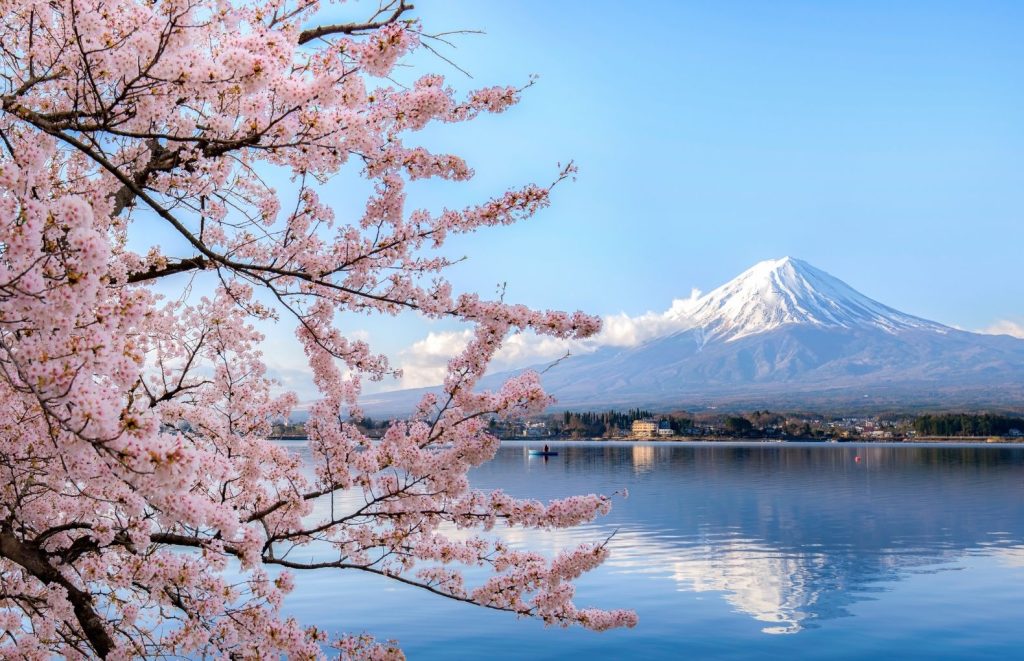
Every year, for a window of roughly two weeks, the country transforms. Parks, temple gardens, riverbanks and mountain paths turn a shade of pink that photographs will never do justice. The Japanese call it sakura, and they have been celebrating it for over a thousand years.
This is also, not coincidentally, one of the most difficult times of year to do Japan right. The best hotels, the best ryokans, and the most sought-after experiences book out twelve to eighteen months in advance. The travellers who arrive disappointed are almost always the ones who started planning too late.
Here is what you need to know before you begin.
When Does Cherry Blossom Season Actually Happen?
The honest answer is: it depends on where in Japan you are, and it changes slightly every year.
As a general guide, Tokyo and Kyoto typically bloom from late March to early April. Hakuba and the Japanese Alps bloom later, usually mid to late April, when the lower elevations have already finished. Hokkaido, in the far north, does not see its peak until late April into early May.
The window at any single location is short. It’s around one week at peak bloom, with the most famous falling-petal effect, known as hanami, lasting only a few days. Planning around this requires flexibility in your dates and sometimes acceptance that nature rarely sticks to the schedule.
What I do for families and couples planning around cherry blossom is build an itinerary that moves through Japan as the bloom moves, starting in the south and tracking north over ten to fourteen days. That way, you catch the sakura in multiple locations rather than racing to catch just one window in one city.
The Best Places to See Cherry Blossom in Japan
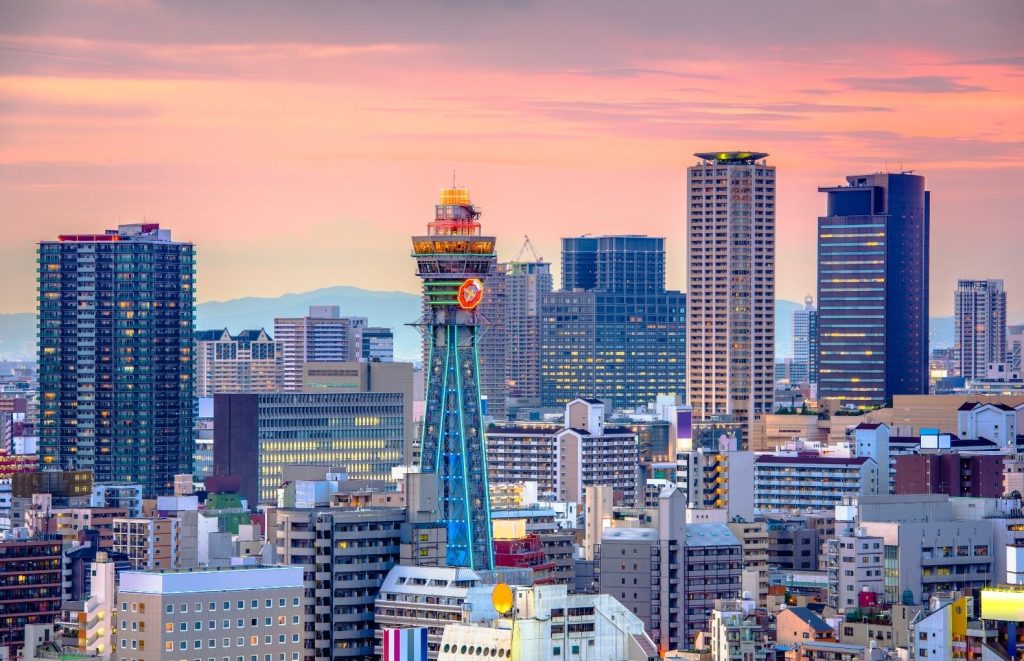
Tokyo — Shinjuku Gyoen and Ueno Park
The most accessible entry points for families new to Japan. Shinjuku Gyoen is a large, beautifully maintained national garden with over a thousand cherry trees. Ueno Park is more festive. Food stalls, families picnicking under the blossoms, and an atmosphere that is joyful in the way only Japan manages. Arrive early in the morning to beat the crowds at either location.
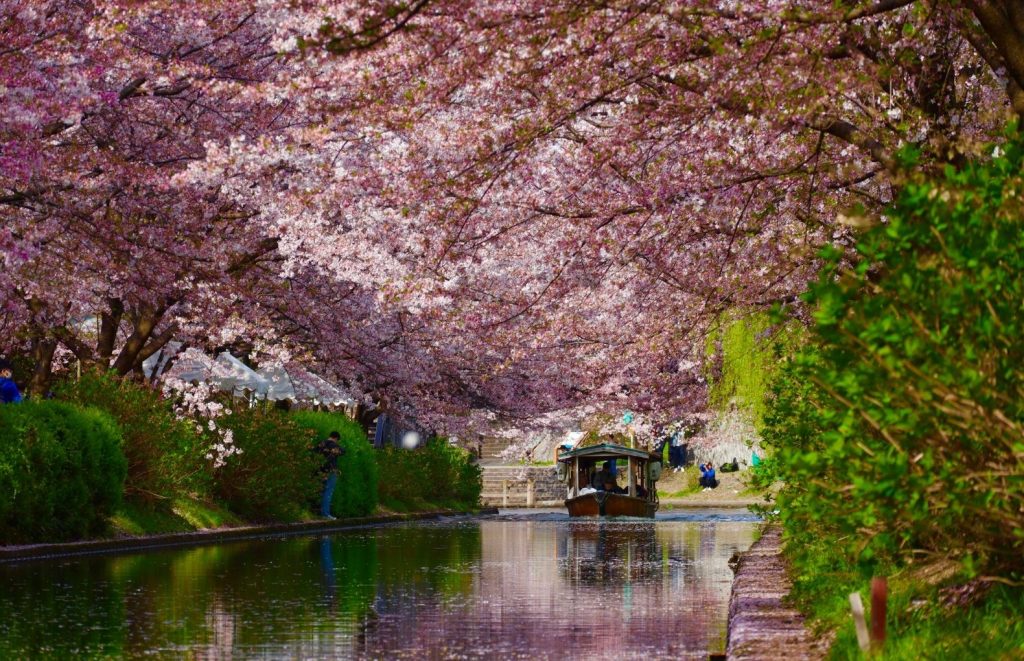
Kyoto — Maruyama Park and the Philosopher’s Path
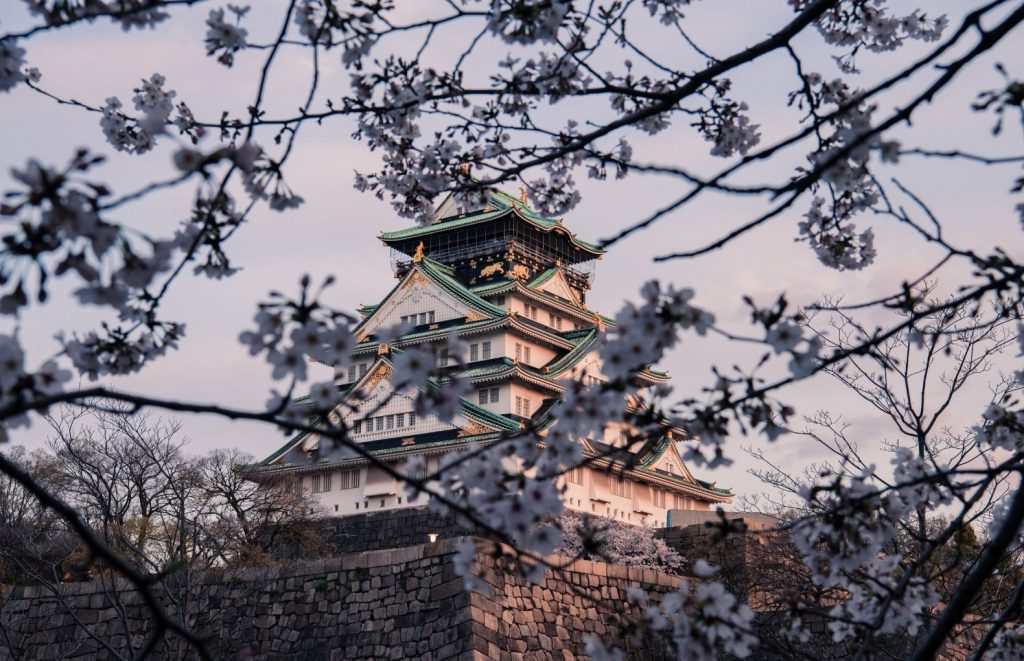
If you only see cherry blossom in one place, make it Kyoto. Maruyama Park has a famous weeping cherry tree at its centre that is lit at night during the bloom period, and it is one of the most photographed moments in Japan. The Philosopher’s Path, a canal-side walkway lined with hundreds of cherry trees, is quieter and worth an early morning visit. The combination of temples, traditional architecture, and cherry blossom is Kyoto at its finest.
Hakuba — The Japanese Alps
For families combining skiing with the cultural Japan experience, Hakuba is extraordinary. The ski season runs through March, and by mid to late April the mountain villages bloom while snow still sits on the peaks above. This contrast of the blossoms in the valley and snow on the ridge is one of the most visually dramatic moments in Japanese travel. It is also a window that very few international visitors plan around.
Hirosaki — The Northern Secret
For travellers who have been to Japan before and want something beyond the obvious, Hirosaki blooms later than the south, late April into early May, and is significantly less crowded. The moat around Hirosaki Castle fills with fallen petals, creating a pink carpet on the water that is extraordinary. Worth the detour for returning visitors.
Building a Cherry Blossom Itinerary
The most common mistake I see with cherry blossom trips is treating Japan as a single destination with a single window. It is not. It is a country that blooms from south to north over six weeks, and the best itineraries move with that.
A fourteen-day family itinerary I send regularly runs like this: arrive into Tokyo for three days, including a full day at DisneySea; bullet train to Kyoto for two nights, with the Philosopher’s Path and Arashiyama on the agenda; one night in Osaka for Universal Studios Japan; then a private transfer north to Hakuba for a final ski week in the mountains, where the blossom is just beginning as you arrive.
It is paced for parents. Considered for children. And timed so that cherry blossom appears at multiple points along the journey rather than as a single item on your must-see list.
For couples, the pace can slow a little. Spend more time in Kyoto, a night or two in a traditional ryokan in the mountains, or dinner at a kaiseki counter where the chef changes the menu to reflect the season.
Practical Things Worth Knowing about Cherry Blossom Season In Japan
Book twelve months ahead, minimum. The best ryokans in Kyoto and the best chalets in Hakuba book out very quickly in cherry blossom season. If you are reading this in July, you may already be behind.
Build flexibility into your dates if you can. The cherry blossoms do not arrive on a fixed schedule. The Japan Meteorological Corporation releases bloom forecasts each year from January, which I monitor for every Japan trip I plan. Where possible, I build a two to three day buffer into the itinerary so we can adjust around the actual peak.
Consider the shoulder days. The two or three days either side of peak bloom are often more beautiful than the peak itself. Fewer crowds, softer light, and the petals just beginning to fall. I plan for this window deliberately.
Plan the evenings. Many parks and gardens offer illuminated cherry blossom viewing after dark, known as yozakura. Maruyama Park in Kyoto and Shinjuku Gyoen in Tokyo both offer this. It is a completely different experience to daytime viewing and worth including in any itinerary.
When You Are Ready
Japan in cherry blossom season is one of the most rewarding trips I plan. It requires early booking, careful timing, and a slightly different approach to itinerary building than most Japan trips, but the result is unlike anything else and a trip you will remember for the rest of your life.
If this is the trip you have been thinking about, the time to begin is now.